

Introduction
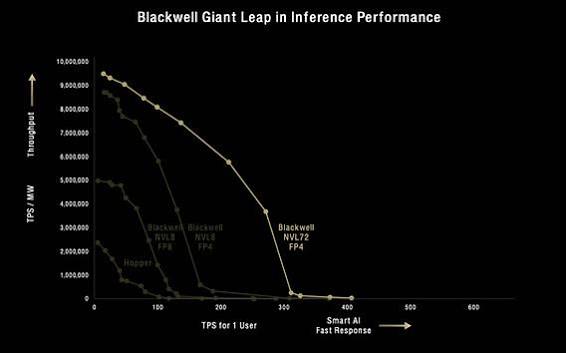
When deploying a machine learning model, two performance metrics deserve particular attention: latency and throughput. Although they are closely related, they measure different aspects of an inference system. Latency focuses on how quickly an individual request receives a result, while throughput measures how much work the system can complete over a given period.
Understanding both metrics can help businesses select appropriate infrastructure and optimize inference performance for their specific applications.
What Is Inference Latency?
Inference latency is the amount of time between submitting a request and receiving the result. It is usually measured in milliseconds or seconds. For example, when someone sends a prompt to a conversational application, latency determines how long they wait for a response. Low latency is especially important for applications where immediate interaction matters.
Factors That Can Affect Latency
1. Model size:
Larger models often require more processing time and memory.
2. GPU performance:
More capable GPUs can accelerate computationally demanding workloads.
3. Model loading:
Loading a model into GPU memory can increase startup time.
4. Network conditions:
Data traveling between an application and inference endpoint can introduce additional delay.
5. Request queues:
High traffic can cause requests to wait before processing begins.
What Is Inference Throughput?
Throughput describes how much work an inference system can complete within a specific period. Depending on the application, it may be measured in requests per second, images per minute, or tokens per second. High inference throughput is particularly valuable for applications processing large numbers of requests or data-sets.
Where Throughput Matters Most
1. Batch processing:
Businesses analyzing large data-sets may prioritize processing volume.
2. High-traffic applications:
Platforms with many users need infrastructure capable of handling concurrent requests.
3. Content generation:
Large-scale image, video, or text generation can benefit from higher processing capacity.
4. Enterprise workloads:
Organizations may need to process thousands of documents or records efficiently.
Important Factors to Consider
1. User Experience
For interactive applications, users generally expect quick responses. A chatbot or voice application with excessive latency can feel slow even if the underlying system has excellent throughput.
2. Workload Volume
Applications processing thousands of requests may need high throughput. In these situations, completing more work efficiently can be more valuable than minimizing the response time of one individual request.
3. Request Batching
Batching combines multiple requests so they can be processed together. This can improve GPU utilization and increase throughput. However, waiting for enough requests to form a batch can introduce additional latency.
4. Concurrency
Concurrency refers to the number of requests being processed or handled at the same time. Increasing concurrency can improve throughput, but excessive concurrency may create queues, increase memory pressure, or affect response times.
5. GPU Infrastructure
GPU type, memory capacity, networking, scheduling, and resource availability can all influence inference performance. Choosing infrastructure based on actual workload requirements is therefore important.
Conclusion
By evaluating factors such as model size, traffic patterns, concurrency, batching, GPU capabilities, and user expectations, organizations can determine which metric deserves greater priority. The best inference strategy is ultimately one that delivers the required performance without unnecessarily increasing infrastructure complexity or cost.