

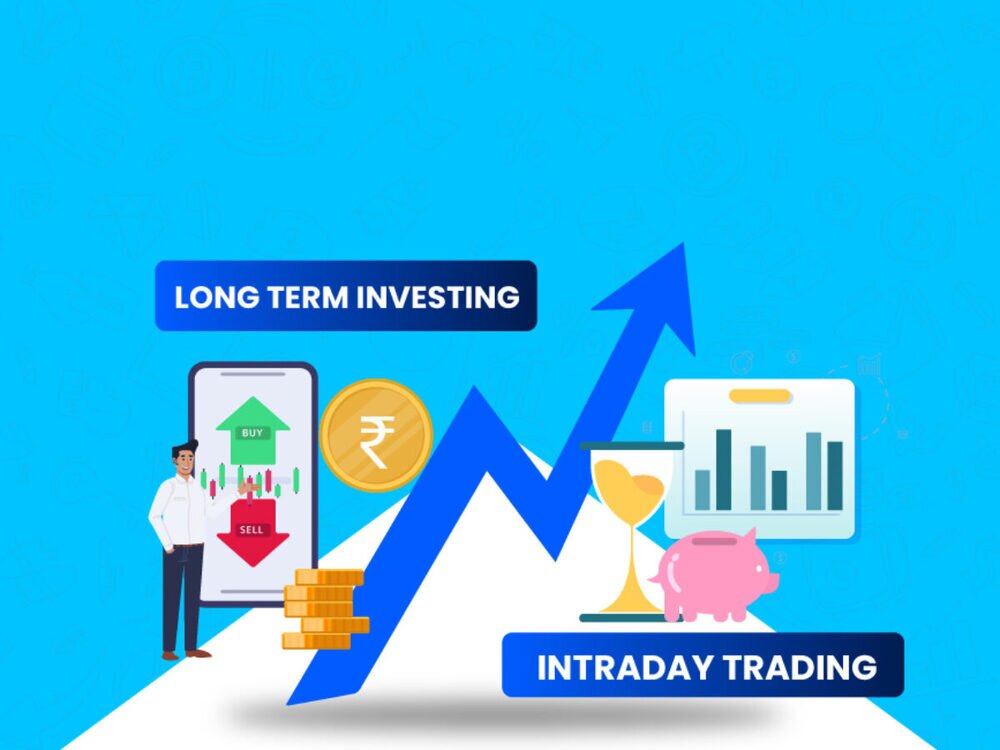
When individuals first consider participating in financial markets, they are often met with a fundamental fork in the road. One path leads to active trading, characterised by frequent decision-making and rapid responses to market movements. The other leads to long-term investing, grounded in patience and strategic allocation of capital over years or even decades. Understanding the difference between trading and investing is important for anyone looking to develop a personal strategy that aligns with their goals, risk tolerance, and lifestyle.
Although both approaches seek to grow wealth, they differ in mindset, execution, risk exposure, and potential outcomes. In practice, the choice between active trading and long-term investing is less about which is inherently better and more about what fits an individual’s temperament and objectives. This article explores how these two approaches operate in real-world markets and what investors should consider when choosing their path.
The Mindsets of Trading and Investing
At its core, active trading is about capitalising on short-term price movements. Traders aim to buy low and sell high within relatively compressed time frames that may span minutes to months. Success requires precise timing, an understanding of market psychology, and the ability to manage positions dynamically. Traders monitor economic data releases, company news, technical indicators, and even social sentiment to identify opportunities. It is an endeavour that demands constant attention and rapid adjustments.
Long-term investing, by contrast, is rooted in the belief that markets tend to appreciate over extended periods. Investors look beyond daily or weekly price fluctuations to focus on the underlying fundamentals of an asset. Their horizon may be measured in years or decades, reflecting a belief that time in the market can be more important than timing the market. This approach prioritises steady growth, dividends, and the compounding of returns. Investors often weather short-term volatility, confident that long-term trends will reward patience.
These differing mindsets influence every aspect of how individuals engage with financial markets. Traders often work with strict entry and exit rules, setting stop losses and profit targets. Investors might merely rebalance portfolios periodically, holding assets they believe will increase in value as economies expand and companies grow.
Tools and Strategies: Distinct Approaches for Distinct Goals
Active traders rely heavily on technical analysis to make decisions. They use charts, volume indicators, moving averages, and other tools to analyze price behavior and predict future movements. Risk management is tactical, often involving setting tight stop-loss orders to protect against sharp reversals. Many traders specialise in specific strategies such as day trading, where positions are opened and closed within a single day, or swing trading, where trends are exploited over several days or weeks.
In long-term investing, strategies are typically driven by fundamental analysis. Investors examine company earnings, industry trends, competitive advantages, and macroeconomic conditions to determine an asset’s intrinsic value. They may diversify across sectors and asset classes to reduce risk and tap into broad market growth. Instead of reacting to every market shift, they look for structural advantages and long-term performance indicators.
While both traders and investors use data to inform decisions, the nature of the data and the time frame for applying it differ substantially. Traders prioritise immediacy and responsiveness, while investors emphasise structural strength and endurance.
Time Commitment and Lifestyle Considerations
Practically speaking, active trading demands time and engagement. Successful traders often spend hours each day watching markets, analysing patterns, and adjusting positions. This level of involvement may be exhilarating for some but stressful and unsustainable for others. Traders need to remain aware of global market developments and be ready to act swiftly, which can impose mental and emotional strain.
Long-term investing, on the other hand, is more compatible with a passive lifestyle. Investors might spend time at the outset researching opportunities and creating a diversified portfolio, but after that, periodic reviews and adjustments typically suffice. This approach allows individuals to focus on careers, family, and personal interests without the constant need to monitor market tickers.
The time commitment required for trading versus investing is a practical consideration that often shapes what people choose to pursue. A person with limited availability or a preference for stability may find long-term investing a better fit, whereas someone who relishes challenge and rapid feedback may gravitate toward trading.
Which Path Aligns With Your Goals?
Ultimately, the choice between active trading and long-term investing depends on individual goals, temperament, and life circumstances. Some people even blend both approaches, allocating a portion of their portfolio for long-term investments while setting aside capital for opportunistic trades. This hybrid method can offer balance but requires careful planning to ensure that the two strategies do not conflict.
For those still exploring the concepts, resources that clarify the difference between trading and investing can be valuable for foundational knowledge and decision-making. A clear explanation of how these paradigms differ and where they overlap helps individuals make informed choices about how to engage with markets as part of their broader financial plans.
Conclusion: Choosing a Strategy That Works
In practice, trading and investing represent two distinct yet valid approaches to participating in financial markets. Active trading demands agility, analytical rigour, and emotional resilience.
Long-term investing calls for patience, a focus on fundamentals, and confidence in long-range trends. Both can lead to financial growth, but they require different mindsets, tools, and commitments.