

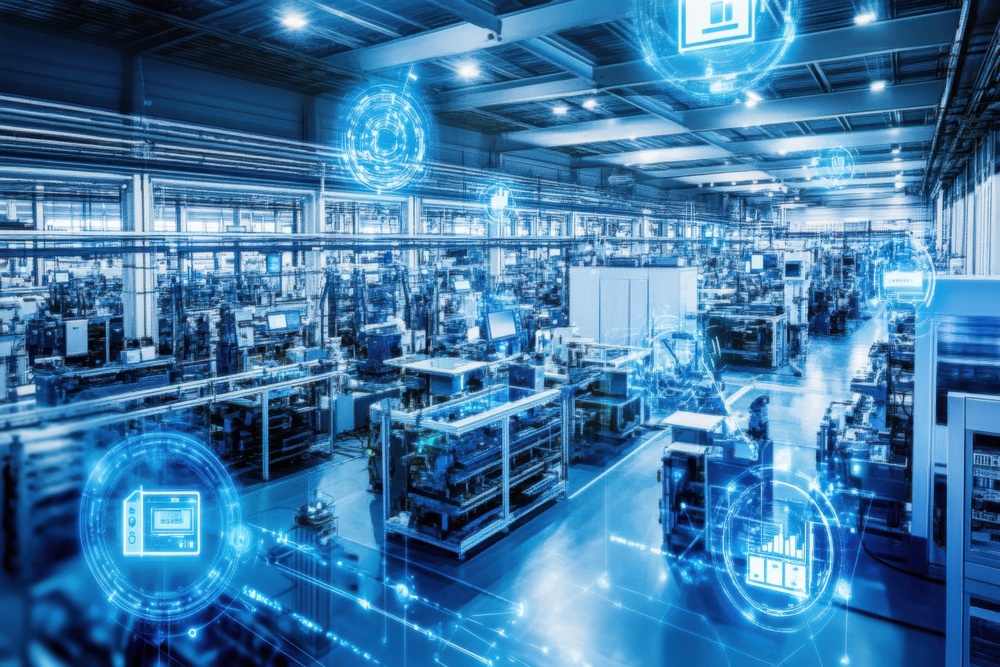
The constant hum of machinery is audible in every factory. Behind that sound lies a collection of parts built to take punishment that would destroy ordinary equipment in minutes. These industrial components power everything from food processing plants to oil refineries. They’re the reason assembly lines keep moving and power plants keep generating electricity. Most folks do not know how much engineering goes into these hidden workhorses.
What Makes Industrial Components Different
A pump at a chemical plant deals with stuff that would eat through your car’s engine block before lunch. Mill bearings spin like crazy while carrying loads that would flatten a pickup truck. Gaskets and seals hold back pressures that could punch through concrete.
Failure isn’t an option. One busted valve can idle an entire factory. Companies bleed money by the hour when production stops. Workers scramble to fix problems while bosses calculate losses that hit six figures before noon. So manufacturers build these components tough. Really tough. They test samples until they break, then figure out how to make them stronger.
The price tags reflect this. Some industrial pumps cost more than a luxury sedan. A single custom gear might set you back ten grand. Sounds nuts until you realize that gear will run three shifts a day for the next decade without complaining. Try getting that kind of reliability from anything else.
The Materials That Make It Possible
Steel dominated factories for over a century. Still does in many ways. But modern operations demand materials that laugh at problems steel can’t handle. Take ceramics; they line ovens where steel would turn into soup. Carbon fiber gives aerospace-grade performance to gear that requires strength while remaining light.
Sometimes, you must be creative to find the right material. A specialty polymers manufacturer like Trecora might cook up a plastic formula that shrugs off acids that would dissolve metal. Secret elements in heavy-duty seal rubber allow it to flex endlessly. Methods exist to make even plain aluminum stronger than certain steels.
Scientists also continue to innovate. Shape-memory alloys return to their initial shape after distortion. Self-lubricating plastics are replacing messy oil systems. Ceramic bearings outperform steel bearings in terms of speed and longevity. What was impossible yesterday will be standard tomorrow.
Precision Beyond Belief
The machines that make industrial components operate at levels of accuracy that mess with your head. Computer-guided mills shave metal to measurements smaller than dust particles. Lasers slice through materials with cuts so clean you’d swear they were polished. But cutting is just the start. Quality control people act like detective squads hunting for flaws. X-ray scanners peek inside solid metal looking for tiny cracks. Measuring machines map surfaces down to the microscopic level. Some places actually use electron microscopes to check if surface textures meet specifications.
Why go nuts over such tiny differences? Because tiny differences cause big problems. A shaft that’s a hair too thick won’t fit. A hair too thin means wobbling that creates vibrations. Vibrations ruin bearings, which damages housings, and causes total failure. Surface smoothness is crucial; if it’s too smooth, lubricants won’t stick, but if it’s too rough, friction will cause overheating.
Conclusion
Industrial components quietly hold our entire economy together. They survive conditions that seem impossible. They run around the clock for years straight. They maintain accuracy that borders on the absurd. Yet nobody outside manufacturing gives them a second thought. Every product in your house passed through machines built from these components. Pumps moved raw materials. Conveyors carried pieces through assembly. Precision bearings aligned everything as robots carried out their tasks. These overlooked industry figures sustain civilization by way of brilliant engineering.