

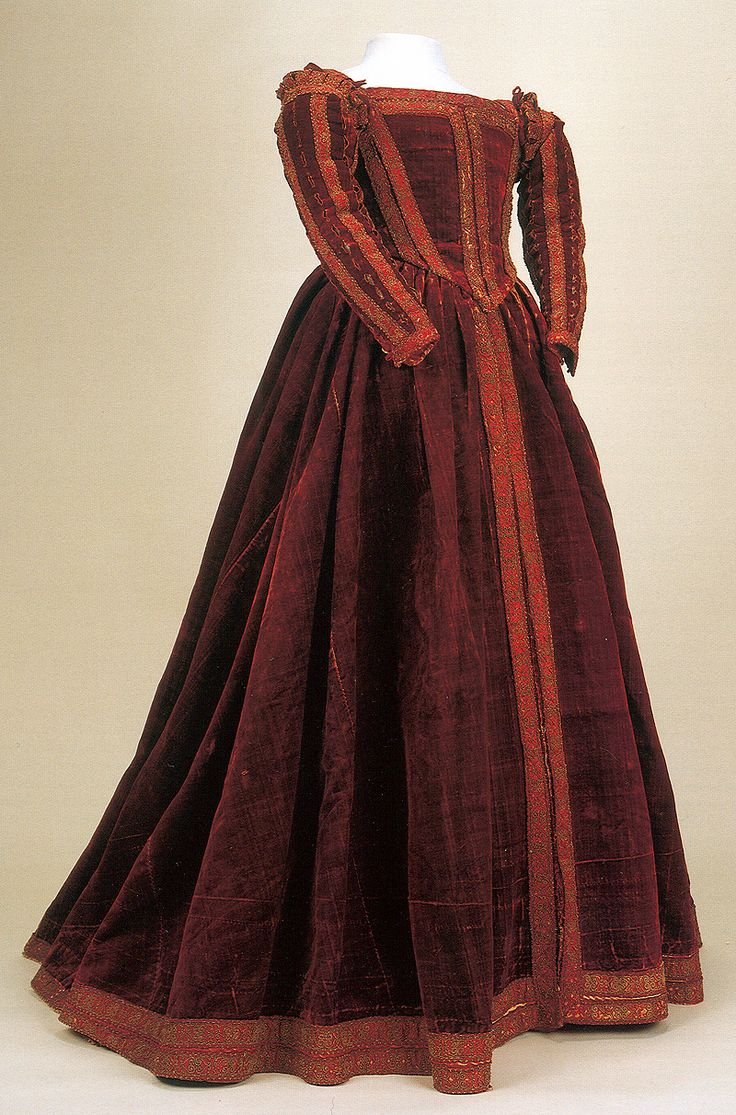
Renaissance fashion, characterized by its opulence and intricate designs, offers a glimpse into a bygone era of elegance and grandeur. During this period, clothing was not simply a necessity but a form of self-expression and status. From sumptuous fabrics like velvet and silk to embellishments of pearls and intricate embroidery, renaissance fashion was a visual feast for the eyes. Let’s delve deeper into the world of renaissance fashion and discover the stories woven into the very fabric of history.

Renaissance Fashion: A Timeless Journey Through Style and Elegance
Welcome, dear readers, to a fascinating journey back in time to the era of the Renaissance, a period of cultural rebirth that brought about remarkable changes in art, literature, and of course, fashion. In this article, we will delve into the captivating world of Renaissance fashion, exploring the unique styles, fabrics, and accessories that defined this remarkable period in history.
The Renaissance: A Flourishing Era of Creativity
The Renaissance, which spanned roughly from the 14th to the 17th century, was a time of great intellectual and artistic growth in Europe. It was a period marked by a renewed interest in classical art and literature, as well as a shift towards humanism and individualism. Fashion played a significant role during this time, serving as a means of self-expression and social status.
The Influences of Renaissance Fashion
Renaissance fashion was influenced by a variety of factors, including art, architecture, and the growing wealth of the merchant class. The clothing worn during this period was a reflection of the values and ideals of the time, with an emphasis on elegance, refinement, and sophistication.
Women’s Fashion in the Renaissance
Women’s fashion during the Renaissance was characterized by sumptuous fabrics, rich colors, and elaborate designs. The ideal female silhouette was one of gentle curves and soft lines, with an emphasis on the natural waist. Let’s take a closer look at the key elements of women’s fashion during this period.
Women’s Clothing
The typical Renaissance woman’s wardrobe consisted of several layers of clothing, starting with a shift or chemise worn next to the skin. Over this, she would wear a corset or bodice to shape her figure, followed by a gown or dress. The gown was often made of luxurious fabrics such as silk, velvet, or brocade, and featured intricate embroidery and embellishments.
Hairstyles and Accessories
Hairstyles in the Renaissance were often elaborate, with women sporting intricate braids, curls, and accessories such as ribbons, jewels, and flowers. Head coverings, such as coifs and veils, were also popular during this time. Jewelry played a significant role in women’s fashion, with necklaces, earrings, and rings being worn to enhance their beauty.
Men’s Fashion in the Renaissance
Men’s fashion in the Renaissance was no less extravagant than that of women. Rich fabrics, ornate details, and fine tailoring were all hallmarks of men’s clothing during this period. Let’s explore the key elements of men’s fashion in the Renaissance.
Men’s Clothing
The typical Renaissance man’s attire consisted of a shirt, doublet, hose, and breeches. The shirt was usually made of linen or silk, while the doublet was a close-fitting jacket often embellished with intricate embroidery or beading. Breeches were typically knee-length and made of wool or velvet, while hose covered the lower body and legs.
Accessories and Footwear
Men in the Renaissance adorned themselves with various accessories, including hats, belts, and gloves. Cloaks and capes were also popular outerwear choices. Footwear ranged from simple leather shoes to elaborate boots made of fine materials such as leather or velvet.
The Influence of Renaissance Fashion Today
Although the Renaissance may have ended centuries ago, its influence on fashion can still be seen today. Designers continue to draw inspiration from the rich colors, luxurious fabrics, and intricate details of Renaissance clothing. Elements such as corsets, ruffles, and lace have made a comeback in modern fashion, giving a nod to the elegant styles of the past.
Conclusion
In conclusion, Renaissance fashion was a reflection of the artistic and cultural achievements of a remarkable period in history. The intricate designs, luxurious fabrics, and attention to detail that defined Renaissance clothing continue to captivate us to this day. By exploring the fashion of the Renaissance, we gain a deeper appreciation for the creativity and artistry of the past, reminding us that style truly is timeless.
Thank you for joining us on this journey through the world of Renaissance fashion. We hope you’ve enjoyed learning about the elegant styles and exquisite details that made this period so unique. Stay tuned for more fascinating insights into the history of fashion!
Trying a dress from the 1500s 🏰 #historicalfashion #medieval #renaissance #grwm #fashion
Frequently Asked Questions
What were some common fabrics used in Renaissance fashion?
In Renaissance fashion, common fabrics included silk, velvet, satin, and brocade. These luxurious materials were often embellished with intricate embroidery and lace to showcase wealth and status.
How did social status influence Renaissance fashion?
Social status played a significant role in Renaissance fashion. Wealthy nobles and aristocrats would flaunt elaborate and ornate garments made of expensive fabrics, while the lower classes wore simpler, more practical attire.
What were some popular clothing accessories during the Renaissance period?
Popular accessories in Renaissance fashion included ruffs, ornate hats, gloves, and intricate jewelry. These accessories were used to enhance the overall style and sophistication of the outfits.
How did Renaissance fashion reflect the cultural and artistic trends of the time?
Renaissance fashion was heavily influenced by the cultural and artistic movements of the period. Garments were tailored to accentuate the human form, echoing the ideals of beauty and proportion celebrated in Renaissance art and sculpture.
Final Thoughts
In conclusion, renaissance fashion was a vibrant reflection of the era’s artistic and cultural advancements. The intricate designs, luxurious fabrics, and attention to detail showcased the creativity and elegance of the time. From elaborate gowns to opulent accessories, renaissance fashion epitomized opulence and extravagance. Embracing a fusion of classical influences and innovative styles, it left a lasting legacy that continues to inspire modern fashion trends.